Table Of Content

Whether you have a taste for soul food, African dishes or takes on Mexican cuisine fused with Caribbean flavors, Livernois has an abundance of options for you. A multicultural city surrounded entirely by Detroit, Hamtramck’s food scene is shaped by the immigrant populations that have settled there. A large Bangladeshi influence draws diners craving biryani and warm curries. There are rich cultural communities that have served some of the most noteworthy dishes for generations, and neighborhoods garnering more recent acclaim for a new wave of bars and restaurants, bakeries and cafes. A pour over is a handcrafted style of brewing coffee which requires a slow rhythmic process.
Qahwah House and its authentic Yemeni coffee connect people over the shared love of coffee - The Arab American News
Qahwah House and its authentic Yemeni coffee connect people over the shared love of coffee.
Posted: Fri, 09 Sep 2022 07:00:00 GMT [source]
Inside Dearborn's Qahwah House, a farm-to-mug Yemeni coffee shop
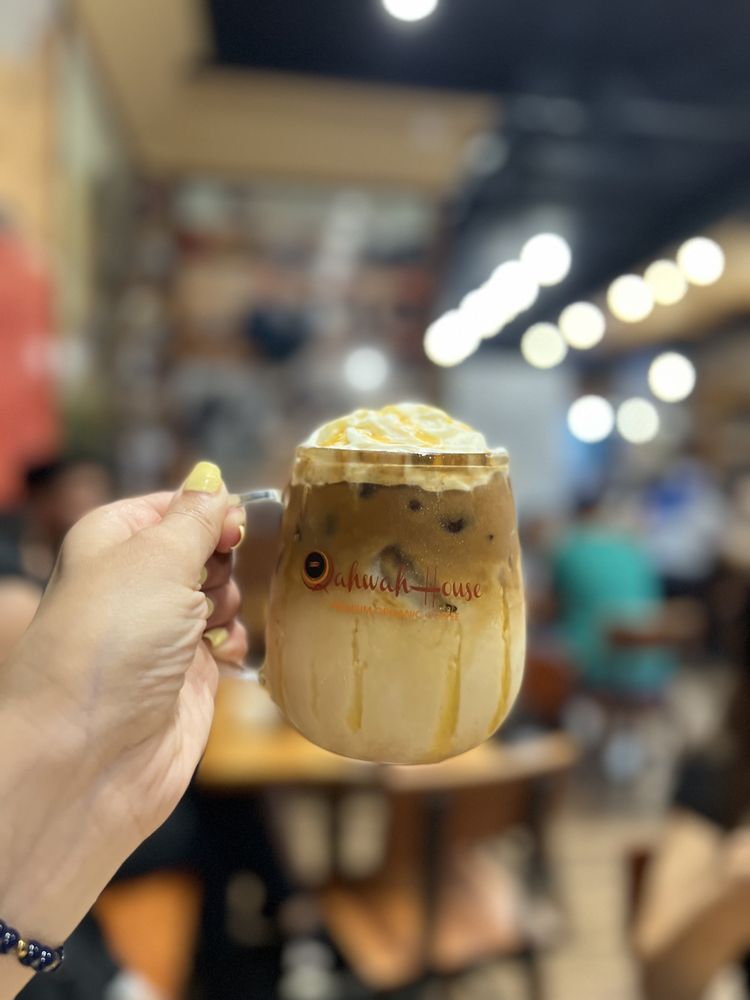
Jubani is a medium-light roast made with both the bean and its dried skin, known as coffee husks, brewed with cardamom, ginger and cinnamon. And for coffee drinkers who need that splash of milk, mofawar is a traditional, softer-on-the-palate choice brewed gently with cream. As the oldest Detroit neighborhood, Corktown is as charming as can be.
Restaurant Photos
Owner of Lil’ Frankie’s Is Opening Frank Thomas Restaurant - Eater NY
Owner of Lil’ Frankie’s Is Opening Frank Thomas Restaurant.
Posted: Thu, 29 Jun 2023 07:00:00 GMT [source]
Ibrahim Alhasbani founded Qahwah House in Dearborn, Michigan in 2017, several years after moving to the US from Yemen. He noticed that Americans are obsessed with coffee, and came up with the idea of bringing Yemeni coffee into the picture. “So whereas Ethiopia is the place where coffee is indigenous, Yemen is the first place where coffee is farmed,” he says. Around the 15th century, Sufi monks were known to make coffee to stay awake during mediation and prayers. As it grew in popularity, the lucrative crop was shipped across the Middle East and Europe from the Red Sea port. She has bylines in publications such as Barista Magazine, Unearth Women, World Nomads, and more.
Send this article to your friends
Adeni chai — arguably the shop’s most popular tea drink and hailing from the Aden region of Yemen — is made with black tea, evaporated milk, cloves, cardamom, cinnamon and sugar. The ingredient list is simple, but the nuance of the boil and brew makes all the difference. Aleyna Ciftci, 24, of Wayne said she used to travel to Brooklyn to visit another franchise location that became a popular hangout for young Muslims. She enjoys talking with friends, playing cards and drinking chai there, she said. In Turkish culture, she said, families are accustomed to gathering in the evenings with coffee and tea to talk or play games. The quality of the coffee and the origin story has resonated with customers.
Eastern Market, Detroit
Just as his coffee beans must make the journey from Yemen to the United States, so did Ibrahim Alhasbani. And although there are challenges in both journeys, the result is worth it. The passion and connection behind each cup of coffee served at Qahwah House go beyond what many baristas can offer. Southwest Detroit’s vibrant Latino community has shaped the neighborhood into a destination for some of Michigan’s best Latin cuisine.
Grocery deals: The Tribune food team’s favorite money-saving markdowns at Chicagoland stores
Take, for example, their Jubani coffee, a blend of medium and light roast beans, coffee husks and aromatic spices. It’s served lightly sweetened, with no milk or cream, and it tastes like a cross between spicy ginger tea and a perfectly balanced light roast. There’s also the Mofwar, my husband’s go-to order, which combines a finely ground medium-roast coffee with cardamom and evaporated milk, all brewed together and strained into a glass pot. Both are examples of traditional Yemeni coffee drinks that will expand your concept of what coffee is, and can be. The menu at Qahwah House in Lombard lists five types of Yemeni-style coffees that can be ordered steaming hot in a glass teapot or single serve. Sana’ani is a medium roast with hints of cardamom — a warm, slightly pungent and aromatic spice that gives most Yemeni coffee drinks their distinctive taste.
Social Menu
The coffee from that region took on the name of the port, which is where mocha as we know it comes from. “People who want to experience something different will come,” says Ibrahim Alhasbani, the founder and owner of the coffee shop based in Dearborn, Michigan. At the Qahwah House — "qahwah" means "coffee" in Arabic — a massive map adorns a wall depicting historic trade routes of Arabica beans from Yemen to the rest of the world. In the 15th century, Yemen became the first place to cultivate and drink coffee beverages, and then exported the crop around the world. What makes it unique is the natural process used to grow it, and all the natural and rich flavors that you can taste in every sip.
The long shadow of US and UK torture in the Middle East
This month, Ibrahim Alhasbani had a soft opening for his Yemeni coffee shop “Qahwah House” located at 6655 Schaefer Road. Even for the most dedicated aficionados, New York City’s coffee scene can become tiresome after a while. Third-wave coffee dominates in Brooklyn, Manhattan and much of Queens, with its focus on fruity, acidic flavor profiles and finding new ways to pour hot water over coarsely-ground beans. If you, like me, are a serious coffee nerd who wants something a little more exciting out of your eight-dollar latte, then Qahwah House should be at the top of your list.
He described the coffee as having natural sweetness and a fruity, not bitter, aftertaste. It also has a natural chocolate flavor that other places have tried to emulate by adding chocolate to coffee and calling it mocha. Waell Ali, a co-owner of the Clifton location, said he learned about the heritage of Yemen, his family’s country of origin, when he started working at Qahwah House. The coffee there is grown organically in higheraltitudes and prepared using natural methods.
After the first drops of water are absorbed in the beans, they must fluff up or “bloom” before more water is poured on top. This way of making coffee helps to maximize flavor and quality for the coffee drinker. The coffee beans come via ship directly from his family's farm in Yemen. And though the shipment often takes two months to arrive, for him it's worth the wait.
I did something different and unique in that I use only Yemeni coffee beans. That’s why the public in Dearborn, and many different cities in Michigan, love what I create for them. These three areas are east of downtown Detroit with Jefferson as their common border street. Rivertown has several restaurants on or near the water including longstanding Sinbad’s. Historic West Village is between Jefferson Avenue and Kercheval and home to award-winning Marrow, a neighborhood butcher shop and restaurant and Sister Pie. Primarily a residential neighborhood, you can admire the many architectural styles of the area homes from Colonial, Georgian and Mediterranean Revival to many Tudor styles.
Part of Qahwah House’s mission is to educate people about Yemen and the origins of coffee. Although many people think that coffee originated in Brazil or Colombia, there is some historical evidence that Yemen is the birthplace of coffee. When you walk into Qahwah House, one of the first things you notice is a giant map showing the origins of the Yemeni coffee trade.
Though Mexican food is king here — you’ll find Mexican bakeries, taco trucks and restaurants in Mexicantown and throughout southwest Detroit — there are also a number of Latin American markets and eateries. Think, Salvadoran and Honduran pupusas, Venezuelan arepas, Puerto Rican maduros or sweet plantains and Dominican-style rice and beans. In addition, the word mocha comes from the Arabic word Al-Mukha, the name of a port city in Yemen where it is believed the world’s first cup of coffee was brewed.
In the 1400s, the first coffee shipments began from Mocha port on Yemen's Red Sea coast, which was named after the variety of coffee beans found there. Qahwah House’s sourcing of coffee beans directly from Yemen is part of their effort to educate people on this history and parts of Yemeni culture to be proud of. For practising Muslims who do not go to clubs or bars, there are few places to hang out other than restaurants. Qahwah House provides an alternative community space for people to socialise. The menu lists lattes and iced mochas, a photogenic iced caramel macchiato, a matcha latte and cappuccino, a cortado, affogato and hot chocolate.
The Clifton location, which opened in November at 441 Crooks Ave., is his fifth store since he started the company in 2017. Coffee lovers who visit the new Qahwah House in Clifton will find more than just a premium cup of rich, imported brew. They will also find a story rich in history, tradition and culture that starts centuries ago in the Yemeni port city of Mocha, along the Red Sea.


No comments:
Post a Comment