Table Of Content
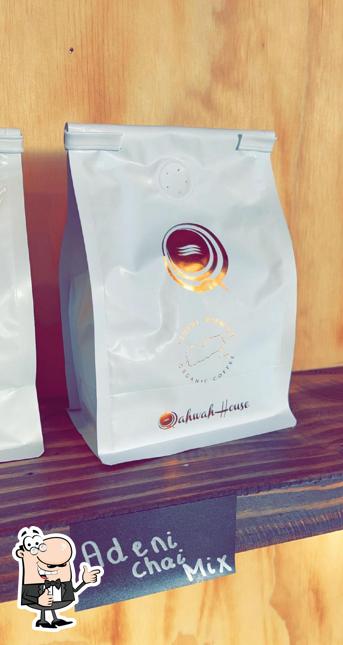
Yemen is known for the port of Mocha or Al Mokha, where the shared name of the delicious espresso and chocolate drink gets its fame. "This space reminds young Muslims, young Arabs of our culture," Alhasbani said. "It reminds us where we come from, so they will not forget their culture and their history, and they will work to improve on this history." "That's why I decided to open in this area. I want other nationalities to come together and see what's going on. It's not like what you see on TV. We have good drinks and we have good culture we can share with everyone." Though Qahwah House doesn't serve tea in empty cans of kidney beans, the taste is very much the same and reminds Kaid of home, he says. Kaid recalls cans of kidney beans being emptied out and replaced with hot Adeni chai, which he and other children would then drink.
An insider’s guide to dining outside of downtown Detroit
There are many legends and theories about when coffee was first discovered, including an Ethiopian legend about a goat herder, Kaldi, who noticed his goats becoming energetic after eating from a coffee shrub. However, coffee cultivation and trade began on the Arabian peninsula, and the coffee bean was first consumed as a beverage in Yemen in the 1400s. Noorehden Alsayidi, who works at the Clifton branch, grew up in Yemen and moved to the US in 2014. He started working at Qahwah House when the Brooklyn location opened after his cousin introduced him to the opportunity. Waell also says Qahwah House has an unparalleled social atmosphere and welcoming environment. “You got one person sitting [at] a table alone and then by the end of the time he leaves, he has 20 people sitting with him,” he says.
Subscribe to The Arab American News
Qahwah House is in the process of planning its grand opening for sometime in late October. In addition to coffee and tea, Qahwah House also offers cakes and pastries from Zingerman’s Bakehouse in Ann Arbor. One blend of coffee that Alhasbani makes at Qahwah House consists of coffee husks. In some places, Yemeni coffee can be found priced at more than $200 a pound, but Alhasbani will be selling his coffee at a fraction of that at roughly $25. Over a decade ago, Dandia was surveilled by a New York Police Department informant. He then became a part of a class-action lawsuit against the NYPD over the surveillance of Muslims.
For many Muslims and Arab Americans, Yemeni coffee shop Qahwah House feels like home
Midtown and its bordering Brush Park neighborhood includes the home of the Detroit Institute of Arts, Detroit Medical Center and Wayne State University. Its bar and dining scene is a melting pot of cuisines with longtime favorites and a host of newer ones. There are fine dining spots, longtime upscale Italian places and award-winning casual fare. It’s home to iconic Detroit classics such as The Whitney, an old mansion built by a lumber baron, newcomer Vecino with Mexico City fare and the forthcoming Leña offering Spanish-influenced fare.
Its culinary offerings are a blend of old and those new-ish to the area. The fare runs from high-end upscale French fare to classic bar food from longtime hip spot Northern Lights Lounge on Baltimore Street to newcomer and award-winning Baobab Fare with East African cuisine. Or stop in for a coffee and croissants in North End at the recently opened French-inspired Café Noir. Whatcha Wanna Eat houses nine food businesses ranging from a pizza spot to an ice cream shop to a burger joint and more. Adjacent to Corktown is Core City, home to True North, a village of live/work dwellings composed of shipping containers. The area’s culinary community is new, but growing with quality eateries that draw a young, hip crowd.
New wave of Yemeni coffee shops brings added spice and late hours to cafe scene - Berkeleyside
New wave of Yemeni coffee shops brings added spice and late hours to cafe scene.
Posted: Wed, 29 Nov 2023 08:00:00 GMT [source]
Qahwah House in Lombard takes coffee back to its Yemeni roots: ‘I want to build a bridge through coffee’
According to Yasen, each Qahwah House location serves coffee directly from Yemen, from the farms of the founder, whose family has been harvesting coffee beans for eight generations. In addition to the coffee beans that Alhasbani roasts and grinds in-house, he also offers tea and some food items. Alhasbani and his family own the farm where his coffee beans are sourced. He said his father and grandfather worked in the coffee industry for a long time. Even though their Williamsburg location is a 20-minute drive from my apartment in Kensington, I’ve found myself wanting to return on an almost weekly basis. Part of the draw is the sense of adventure — I know I’m not going to get yet another technically-perfect-but-boring latte here.
Here at the coffee shop, I use the same recipes my ancestors and family used to prepare the traditional Yemeni drinks. We use spices such as cardamom, ginger, and cinnamon in many of our drinks. People from all over Michigan and the United States come to enjoy our coffee, and many comment that it’s like nothing they’ve ever tried before.

Former Dearborn Qahwah House employee opens new location in Ohio
Here is where you’ll find some of the best Iraqi, Lebanese, Yemeni and Syrian staples in the country, like crisp falafel, creamy hummus, tender shawarma, syrupy knafeh and Turkish coffee. With one of the country’s largest Muslim populations, there's also an increasing number of restaurants serving halal meats, including chain eateries and fast food spots. This focus on social connection is present in every detail of the Qahwah House experience, but while the traditions of Yemeni coffee culture might be their guiding principle, they’re also not afraid to try new things. Take, for example, their Yemeni Iced Latte, which might just be the best iced latte I’ve ever had (and I’ve had a lot).
Eastern Market, Detroit
Alhasbani stresses that he didn’t want to serve “regular coffee in a regular place,” and consciously created an atmosphere that celebrated the drink’s origin story — which, as it happens, is deeply rooted in Yemen. On weekend evenings, there’s typically a line of people out the door waiting to order, as well as people waiting for a place to sit after ordering. The chaos is comforting — frothing milk, the whoosh of the pours, each station in full speed amid the steady stream of conversation.

The other part is the sense of relaxation, of taking the time to learn about and appreciate the way the oldest coffee culture in the world meant for it to be enjoyed. Located on the corner of Bedford Avenue and North 8th Street in Williamsburg, from the outside, Qahwah House could pass for just another hip cafe. They have an on-trend outdoor seating area, and the storefront simply says “organic coffee,” but what you’ll find inside is nothing like the overly-fussy brews you get at most of the neighborhood’s coffee shops. After 5 or 6pm, they will shut down because people don't usually drink coffee after that.
It is said that coffee originated from Yemen’s Port of Mokha in the 14th century, and for nearly 200 years after that, Yemen remained the sole distributor of coffee. In the outskirts of Detroit in Dearborn, Mich., you will find the world’s finest Yemeni coffee. Here, you’ll also meet Ibrahim Alhasbani—the founder, owner, roaster, and barista behind Qahwah House, which means “coffee” in Arabic.


No comments:
Post a Comment